Horses do not speak our language, yet they review tension and objective with an accuracy that humbles most people on day one. That level of sensitivity is exactly why equine-assisted activities can loosen anxiety's knots. The steed's big existence welcomes steadiness, not require. The barn requests for slower breathing, softer eyes, clearer borders. Done well, this job really feels less like therapy and more like finding out to move in rhythm with an eager, observant partner.
I have viewed business leaders soften their shoulders as a mare leaned her nose right into their open palm, and I have seen a teenager with auto racing thoughts match a gelding's breath till both breathed out at the very same time. The equine does not deal with anybody. It uses a clear mirror, company responses, and a calming pace. That mix is powerful for anxiousness relief.
What makes a horse a good educator for nervous minds
A distressed nerve system craves hints of safety and predictability. Horses obey reading nuances in body language, breath, and muscle mass tone, which means they respond immediately to changes we typically miss out on in ourselves. When you tighten your jaw, an equine could pause. When you breathe more slowly, the horse typically lowers its head, blinks, and licks, indicators of working out. This domino effect aids customers discover what their bodies broadcast.
There is additionally something concerning the equine's size that recalibrates attention. Concerns that really felt significant in a kitchen area really feel various beside a 1,000 pound pet who picks to comply when you get clear and calm. The need to be present cuts through rumination. You do not connect your mind to the past while you lead a delicate pet through a gate. You pay attention, or the horse will inform you to.
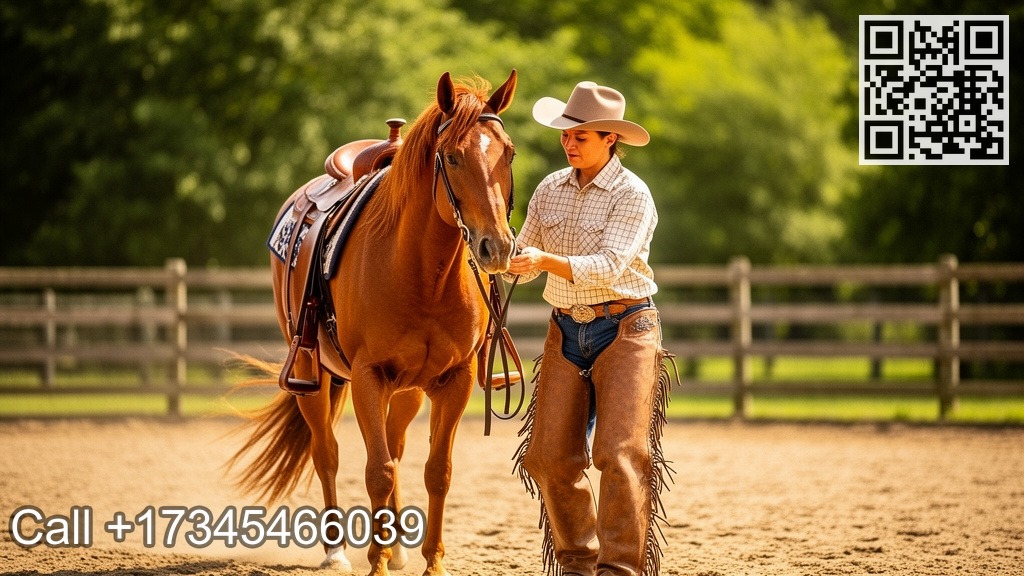
From a sensory viewpoint, the barn environment has its very own medicine. The tempo of unguis, the heat under a wintertime coat, the slow persuade of a lead line, even the scent of hay and natural leather, all of it can help a stuck nervous system find a new network. For lots of people, this is somatic recovery with horses in one of the most literal method, discovering through the body rather than through talk alone.
What a session in fact looks like
Equine-assisted solutions span a spectrum. Some are mounted, some continue to be totally on the ground. For anxiousness alleviation, I commonly begin unmounted. The job begins with alignment in the barn aisle or paddock. We chat safety and security and approval. We read the horse's signals, after that we practice our own.
A typical 60 to 90 min session might include meeting an equine free in a round pen. The customer enters with an easy purpose, for example, to invite link without chasing it. The equine reacts to position and speed. If a client rushes, the horse might turn away. If the client softens their knees and breath, the horse frequently tips closer. Later we might add a halter and line, browsing a few challenges, walking direct and arcs, quiting together, starting together. It seems basic up until the customer recognizes their mind drifted and the equine walked off. That gentle drift is the discovering moment.
Mounted job has its place, specifically within therapeutic horsemanship programs that focus on biker skills and body sychronisation. The rhythm of the walk can settle an over active mind, similar to reciprocal excitement located in various other techniques. For some clients, grooming ends up being the anchor. 5 mins of cleaning till the coat shines, then seeing their hands, shoulders, and jaw feel various. These little supports add up.
The silent science underneath the felt sense
I avoid overselling research study, since the field is still young. What we do have are numerous small studies and program examinations that report purposeful decreases in self-reported stress and anxiety and boosted mood after short series of equine-assisted activities. Some work has gauged adjustments in heart rate variability and cortisol in sessions that highlight breath and paced communication. The example dimensions are modest, yet the pattern follows what the majority of us see in practice: individuals resolve, and they carry that settling right into life. As always, specific outcomes differ. The steed is a catalyst, not a magic wand.
Mechanistically, a number of components likely contribute. Initially, experiential discovering with horses recruits interoception, the capability to sense internal signals like breath and heart beat. Nervous people often misunderstand or avoid those signals. The equine makes interoception much less abstract. Second, the dyadic policy that happens between types can echo co-regulation we look for in human relationships, but with less tale and judgment attached. Third, the tasks demand present-moment attention. Walking through poles without bumping them is not cognitive-behavioral therapy, yet it has a similar result: it interrupts purposeless patterns and practices brand-new ones.
Anxiety takes various forms, so the work moves too
Panic is not the same as pervasive worry. Social stress and anxiety is not the same as trauma-related hypervigilance. The barn requires to meet each of these with nuance.
Someone vulnerable to panic might benefit from predictable sequences with clear leaves. We might begin appropriate outside the pasture fence, exercising breath pacing while seeing the herd, then take 5 steps in and quit. The person manages the dosage. The goal is not desensitization at all prices, it is selection and capacity.
With social anxiousness, equine-assisted training usually highlights boundaries and harmony. If a client claims they feel confident while their feet shuffle and their shoulders cave, the equine reads the shoulders, not words. Finding out to straighten words, tone, and position in front of an equine equates to hard conversations with colleagues or family members. That is where some programs integrate team structure with horses for teams, because the equine subjects vague interaction patterns without reproaching anyone.
Hypervigilance requests a slower lane. We may invest a full session outside the field, practicing orienting to the atmosphere and decoding the distinction between horse-alert and horse-relaxed. Viewing ears flick to a distant noise, then enjoying the horse launch the stress, reveals that vigilance can cycle, it does not have to stay on.
Practical safety and moral care
If you have actually never ever been to a barn-based program, right here is what liable technique appears like. The center will certainly carry out a detailed intake, including health history, current drugs, any kind of orthopedic issues, and allergic reaction concerns. A qualified specialist leads or co-leads sessions. Steeds are carefully selected for temperament and viability, and their workload stays within humane limitations. Safety helmets are typical for mounted job and are an audio selection for numerous ground activities. The atmosphere is tidy enough to decrease trip dangers, yet still a real barn, not a sterilized studio.
Ethical care also suggests horse welfare is never an afterthought. The equines get days off, herd time, correct unguis and vet treatment, and clear signals when they can state no. A program that pushes a tired or resistant equine to do is not offering the steed or the customer. Clients notice that harshness, also if they can not name it.
There are reputable contraindications. Individuals with serious hatreds hay or dander might struggle, though some barns alleviate with exterior fields and cautious pet grooming. Those with unchecked seizures, current blasts, or severe orthopedic injuries could require to delay installed job or adhere to observation and gentle ground link. A background of considerable aggressiveness toward pets is a warning. None of this is a level no, yet it suggests thoughtful preparation with clinical providers.
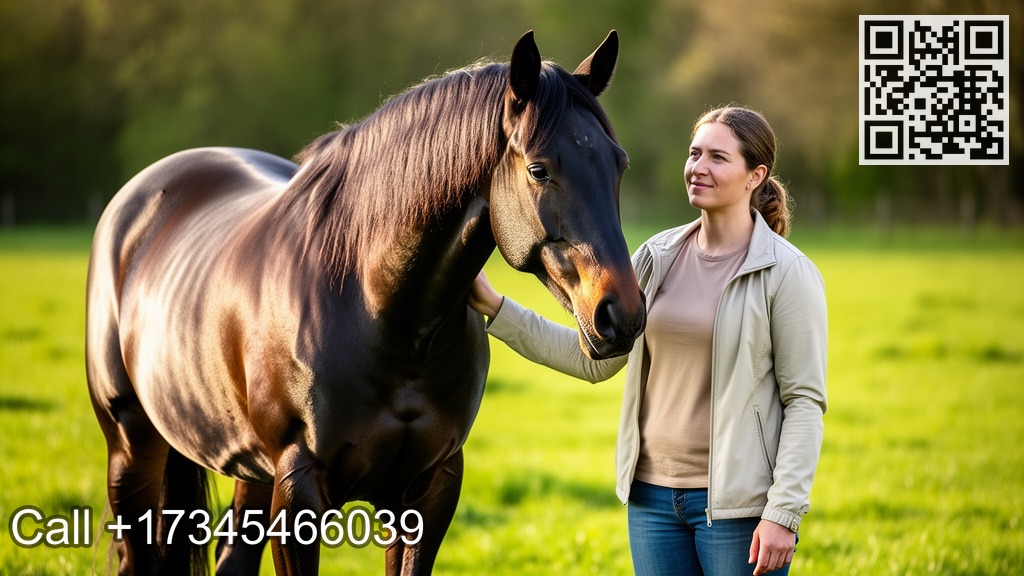
How anxiety softens with details skills
Anxiety alleviation in equine-facilitated wellness originates from tangible abilities built session by session. Grounding is the very first. Before touching a halter, a customer could find their feet, locate three noises in the field, and lengthen their exhale to a rhythm that the equine can really feel through the lead. Clearness is the second. Clear asks and clear releases. If you squeeze the lead, then never soften, the steed quits trusting your signals. That maps to daily life, where uncertain restrictions feed anxiety.
Boundaries follow carefully. Steeds choose leaders who are consistent, not domineering. The person who pulls and micromanages generates brace and complication. The person that withdraws sends out blended messages. The wonderful spot stays in company, reasonable demands and prompt praise for try, which people discover much easier to understand with a steed first.
Finally, repair work matters. When you over-ask and the equine tosses its head, you ask forgiveness in body movement: soften your elbow, reset your position, attempt again with half the stress. Discovering that errors can be fixed without spiraling into self-criticism is gold for distressed minds.
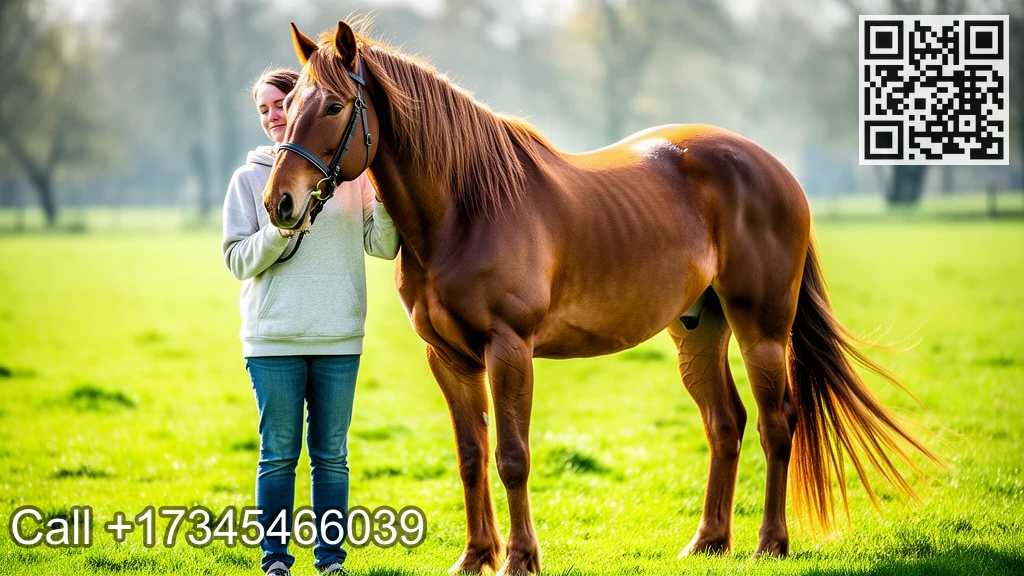
A short story from the round pen
M., a thoughtful designer in her thirties, lugged anxiety like a backpack filled with bricks. In her second session, she claimed every choice at the office felt like a trap with a right and wrong solution. We put 3 cones in the pen and asked her to lead a sorrel gelding, Tucker, via any path she chose. She iced up at the initial cone, scanning for the appropriate alternative. Tucker quit beside her, ears snapping, after that drifted to sniff a cone.
I asked M. To select a direction that felt 60 percent right and to possess it for ten actions. She squared her shoulders toward the facility cone, exhaled, and stepped. Tucker complied with. At the turn, she waited. Tucker thought twice also. She discovered, breathed, and said, Half the anxiousness is my time out, not the choice. They completed the loop. That ten actions of incomplete management became a practical mantra for her work week.
Where training fits, and where treatment is needed
Equine-facilitated training focuses on objectives like leadership visibility, communication design, and nervous system self-management linked to efficiency in work or life. It is not a replacement for trauma therapy, though several trains are scientifically educated. For some clients, training is the best entrance, particularly if they bristle at words therapy. Language issues. Anxiety assistance with equines can occur within either lane, gave that scope is clear.
If anxiety attack or injury signs and symptoms are main, try to find a medical professional learnt techniques like EMDR, somatic experiencing, or trauma-focused CBT who integrates equine-assisted activities. A specialist can hold clinical threat, coordinate with a prescriber if required, and track symptom adjustment. A coach can test patterns and develop skills in a manner that matches therapy.
Children, teenagers, and neurodiversity
Equine programs can supply a sensible lifeline for households navigating sensory sensitivities or attention obstacles. For ADHD equine discovering support, placed and unmounted jobs develop impulse control, sequencing, and working memory. Ask the steed to stroll on, after that count eight strides before halting at a cone, after that commend, after that reset. The body reaches practice timing in a satisfying loop.
For an autism equine finding out program, the nonverbal interaction in between steed and human can decrease the stress many autistic customers really feel in talk-heavy settings. The equine does not require eye contact. Involvement can be side-by-side, brushing in sync, or walking on identical tracks. Alternate treatment for sensory obstacles typically starts with desensitization to textures and appears in the barn, matched to the customer's resistance. A child who covers ears at the chink of a brace can still grow on the quieter rhythm of a lead line walk.
Parents appreciate concrete numbers. In my technique, eight to twelve weekly sessions offer a strong arc for skill structure. You will see little changes early, like less debates going out the door on barn days, then wider changes by week six or 7, such as a child requesting for a break as opposed to melting down. These are not assured timelines, but they prevail when presence corresponds and the horse-partner match is strong.
What happens inside a well-run group
Groups can be effective. A trio of adults exercising boundary-setting with the very same horse discover as much from each various other's attempts as from their very own. If the gelding strolls right into one participant's room continuously, the team problem-solves and experiments. Group structure with equines ranges this idea for organizations. The steed makes the unnoticeable noticeable. Does the group talk over each other? The equine looks overwhelmed and stops briefly. Does the group settle on a plan, then function as one body? The steed moves voluntarily through the maze.
Groups require careful assistance to maintain psychological security undamaged. No person is put on the spot with a habits analysis they did not consent to check out. The equine is not a lie detector. The facilitator structures habits as info, not diagnosis.
A basic series to try at home, then at the barn
If you are considering this job, it helps to exercise a brief regular you can carry into sessions. This is not a remedy, yet it develops the muscular tissue memory that equines often tend to follow.
- Stand with feet hip-width and unlock your knees. Exhale longer than you breathe in, four counts in, six counts out, 3 times. Choose one object to orient to thoroughly, such as a leaf or a fence article. Notice shade, form, and edges for ten seconds. Soften your jaw and allow your tongue hinge on the flooring of your mouth. Roll your shoulders once. Set a tiny objective, like take five tranquil steps. Say it silently to yourself. Walk your 5 actions with your breath. If you lose track, quit and repeat the sequence.
Clients often report that this five-part check-in becomes their pocket device for grocery lines and stressful meetings. At the barn, good sense the change immediately. It is a basic entry point to equine-facilitated health, even before you touch a lead line.
How to choose a program you can trust
Not all offerings are equivalent, and titles differ. Some say equine-assisted mentoring, others utilize equine-assisted tasks, and professional programs sit under the umbrella of https://ameblo.jp/elliottpxbo436/entry-12971242328.html equine-assisted services. Look for fit more than label. Qualifications matter, however relationship and clearness of scope matter extra. When you talk to a company, ask clear questions.
- Who leads sessions, and what are their qualifications in both equine handling and human support? What does a very first session include, and how do you evaluate preparedness for installed vs. Ground work? How do you choose and take care of your horses, and just how do you check their stress? What outcomes do customers generally see by session 4 or 8, and just how do you gauge progress? How do you handle safety, weather condition modifications, and customer authorization in the moment?
You do not need to know horse lingo. You do need to feel your problems are heard and responded to plainly. A good service provider will certainly welcome these questions.
Equipment, clothing, and small details that make it easier
Come dressed to relocate. Closed-toe shoes with traction are non-negotiable. In summer season, a teemed hat, light lengthy sleeves, and sunscreen assistance. In cold weather, handwear covers that permit finger mastery keep you comfy, and layers matter due to the fact that your body temperature will certainly change when stress and anxiety resolves. Fashion jewelry that swings or dangles can surprise sensitive horses. Bring water. If you are scent-sensitive, ask the barn to prevent strong fly sprays throughout your session, or fulfill in a breezy arena.
Most programs supply helmets for installed job, however you can bring your own if it fulfills current safety requirements and fits appropriately. For unmounted sessions, many customers still pick a helmet to really feel secure. Ask about their policy. Little comforts count. A client when brought a flat rock that fit her palm. She massaged it before invitations to link, like a starter handgun for her nerves. The horse learned to check out that sign too.
What the initial 4 weeks usually look like
Week one is positioning and safety and security. You may brush and learn to halter. If based enough, you will walk with a lead and practice quiting with each other. The goal is not instantaneous bond, it is discovering the barn's standard rhythms.
Week 2 presents targeted skills. You might practice a figure with breath pacing or a challenge like strolling between 2 posts. The facilitator will assist you decrease stress to the minimal effective dosage, so the equine states yes without bracing.
Week 3 generally deepens the dialogue. You will certainly notice exactly how tiny adjustments in muscle tone effect the equine, and your facilitator will connect that to a stress and anxiety pattern at home or job. Repairs become smoother. You will catch yourself over-asking and change within seconds.
Week 4 combines and moves. You will certainly establish an objective for the session, satisfy it, and convert the skill to a genuine situation. For example, practicing a clear ask and tidy release, then utilizing that manuscript to ask for a target date extension from your manager.
This arc is versatile. Some individuals require even more time to simply breathe with the herd. Others dash via the basics and take advantage of intricate patterns that challenge their tendency to over-control. Steeds meet both types where they are.
When anxiety of equines is part of the anxiousness story
Plenty of customers show up uneasy regarding horses. That is not an offer breaker. As a matter of fact, it can be an ally. A huge, delicate animal asks you to manage in such a way no app can imitate. We never ever force get in touch with. Many beginning outside the fence. The first triumph might be recognizing inquisitiveness under concern, then tipping more detailed for one min. Some remain with observation the whole initial session. That perseverance pays off. I have seen a customer that could not go across the field threshold on week one, strolling side by side with a tranquil mare by week six, happy with every square inch made without coercion.
Trade-offs and restrictions worth naming
Horses do not fit everyone's life. Accessibility can be restricted in urban locations, and sessions cost more than common talk therapy since centers and horse care are pricey. Weather interferes. Mud takes place. For some customers, the barn's changability belongs to the medicine. For others, it boosts stress. The work is also physically engaging. If you have chronic discomfort or exhaustion, you will require a program that adjusts rate, placement, and duration.
Another constraint is expectation. If a client shows up hoping for immediate, mystical link, they may miss out on the practical discovering right in front of them. The equine is not a master. It is a living being with preferences and needs. The mutuality is the factor. Anxiousness declines as you develop trustworthy two-way interaction, not as you chase after a motion picture moment.
Integrating gains into day-to-day life
Equine work hits tougher when it does not live only at the barn. After a session where you felt clear and calm, write down 3 physical hints that informed you so, as an example, shoulders heavy, breath very easy, eyes soft. Tape it where you will certainly see it. Prior to a conference or tough discussion, rehearse the five-part sequence from earlier. Swap the lead line for a coffee mug and walk your five actions down the hall.
Bring your people into the loophole. If you are in equine-facilitated training for leadership skills, inform a relied on teammate the one habits you are practicing this week, such as making one clear ask and one clear recognition in every conference. If you are in treatment, ask your medical professional to coordinate with your barn facilitator so language and objectives straighten. Stress and anxiety thrives alone. Shared language liquifies it.
A closing photo from the barn
A teen boy stood with a silent mare named Willow. He had not slept well in months. His mom claimed mornings were battles. We started with breath pacing from outside the paddock, then actioned in for 3 minutes of brushing. He counted ten strokes, after that paused. Willow sighed and cocked an unguis. He smiled, the quick kind only his mom generally sees. When he left, his shoulders no longer reached for his ears. The following week, his mommy stated the morning was still clumsy, yet he captured himself midway through a spiral, did ten fictional strokes with an unseen brush, and reset. That is the shape of adjustment below. Tiny, physical, repeatable. Gentle strength.
Whether you seek equine-assisted tasks for exclusive anxiousness assistance, equine-facilitated mentoring to sharpen management under pressure, or an organized healing horsemanship track within equine-assisted solutions, the heart of the work is the same. You discover to listen to your body, to ask clearly, to respect a partner, and to fix with poise. Steeds accept the fact of what you bring and relocate with you when you are ready. For distressed body and minds, that reliable mirror is worth its weight in hay.